Loverock Road, Reading
- 360 Garage
- 360 Alloys
Garage, MOT, diagnostics, mechanical repairs, performance and alloy-wheel refurbishment.
119 Unit 4 Loverock Road, Reading, RG30 1DZMonday – Friday: 9:00am – 6:00pm
Weekend: By appointment only
360 Garage
A timing belt or chain keeps the engine's crankshaft and camshaft(s) turning in precise synchronisation, and its failure can cause serious engine damage on many engine designs. We carry out timing belt and chain replacement to manufacturer intervals on all makes and models at our Loverock Road workshop.
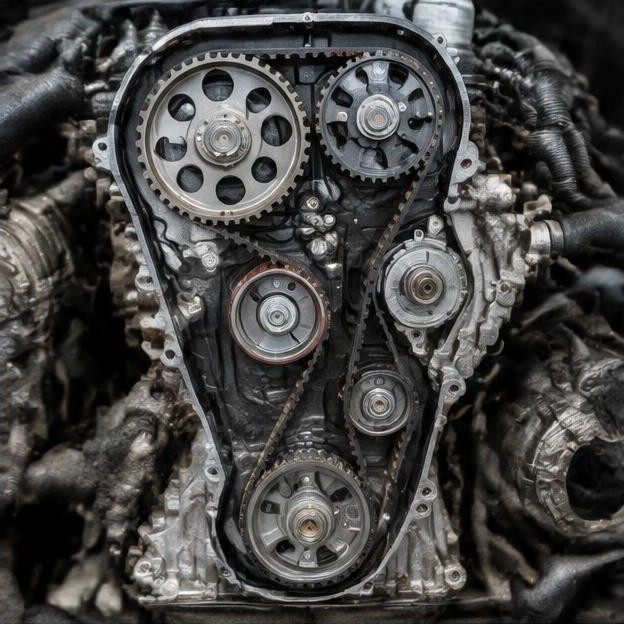
The timing belt or chain synchronises the rotation of the crankshaft (driven by the pistons) with the camshaft(s) (which open and close the engine's valves). This ensures valves open and close at exactly the right point in each piston's cycle. This precise timing is essential to how the engine runs. On many engine designs — known as interference engines — a loss of this timing, such as from a belt snapping, allows the pistons and valves to collide. This typically causes serious and expensive internal engine damage.
Timing belts are made of reinforced rubber and are used on many engines due to being quieter and lighter than a chain. However, they degrade over time from heat, oil or coolant contamination, and general material fatigue, regardless of how carefully the vehicle has been driven. Timing chains are metal and generally considered more durable, often marketed as 'lifetime' by some manufacturers. However, they do stretch and wear over extended use. The tensioner and guide components that keep them correctly tensioned can also wear or fail, leading to noise and, in some cases, timing chain failure or skipped timing.
Manufacturers specify a replacement interval for timing belts based on whichever comes first of a mileage figure or a time period. This is commonly somewhere in the region of a set number of years even if the mileage figure has not been reached, because the rubber degrades with age regardless of use. This time-based element is often overlooked by owners who focus purely on mileage, particularly on vehicles that are driven relatively few miles per year. On such vehicles, the belt can still be approaching the end of its safe life well before the mileage interval is reached.
A timing belt replacement is not just the belt itself. Manufacturers specify replacing the tensioner and idler pulleys at the same time, since these components wear alongside the belt. A failure of a tensioner or idler can cause a belt failure just as readily as a worn belt itself. On many engines the water pump is driven by the timing belt. Replacing the water pump at the same time as the belt is commonly specified or strongly recommended, since the labour to access the belt is largely the same labour needed to access the water pump. It is far more sensible to replace a wearing water pump during this work than to need to remove everything again shortly afterwards if the pump fails separately.
How it works
Check the correct interval
We confirm the manufacturer-specified interval for the exact engine and vehicle, since this varies significantly between models and cannot be assumed from a different vehicle.
Booking and parts
We order the correct belt or chain kit, tensioners, idlers and, where relevant, the water pump, ahead of the work.
Removal of ancillary components
Components obstructing access to the timing system are removed carefully to reach the belt or chain and related parts.
Replacement of belt or chain and associated components
The belt or chain, tensioners, idlers and water pump (where applicable) are replaced to the correct specification.
Timing verification
Correct timing alignment is carefully verified during reassembly, since incorrect timing can cause the same damage the replacement is meant to prevent.
Reassembly and road test
Ancillary components are refitted, fluids topped up where disturbed, and the vehicle is road tested to confirm correct running.
Capability
A timing belt is made of reinforced rubber with internal cords for strength, chosen by many manufacturers for being lighter and quieter in operation than a metal chain. However, it degrades with age and heat regardless of mileage. This is why manufacturers specify a time-based interval as well as a mileage-based one, with replacement due at whichever comes first.
A timing chain is a metal link chain, generally more durable than a belt and often not given a fixed replacement interval by the manufacturer, sometimes described informally as a 'lifetime' component. However, chains do stretch over extended use, and the tensioners and guides that maintain correct chain tension can wear. This can eventually allow the chain to skip a tooth on the sprocket or, in more severe cases, fail. This tends to be assessed based on symptoms and condition rather than a fixed interval.
There is no single interval that applies across all engines. Some belt-driven engines specify intervals in the region of several years or a set mileage figure, while the exact figures vary meaningfully between manufacturers and even between different engines from the same manufacturer. Applying an interval from a different vehicle or a general rule of thumb is a genuine risk, which is why we always confirm the specific manufacturer interval for the exact engine before advising a customer.
Where a water pump is driven by the timing belt, the labour required to access the belt is largely the same labour required to access the pump. This is why replacing the pump at the same time is commonly specified or strongly recommended. The alternative is having to remove the same components again in the future if the pump fails separately, at a similar labour cost to the original job just for that one part.
On an interference engine, a timing belt failure typically causes the pistons and valves to collide, which can result in serious and expensive internal engine damage, including bent valves and damaged pistons or cylinder head. We recommend addressing a timing belt at or before its specified interval rather than waiting for symptoms, since a belt failure often occurs without warning.
Why 360
Garage, MOT, diagnostics, mechanical repairs, performance and alloy-wheel refurbishment.
119 Unit 4 Loverock Road, Reading, RG30 1DZMonday – Friday: 9:00am – 6:00pm
Weekend: By appointment only
Questions
Related work
360 Garage
Mechanical repairs in Reading covering engine, cooling, electrical, exhaust and starting faults on all makes and models, with clear findings before any work.
360 Garage
Interim, full and manufacturer-schedule servicing in Reading for all makes and models, with digital service records and warranty preserved.
360 Garage
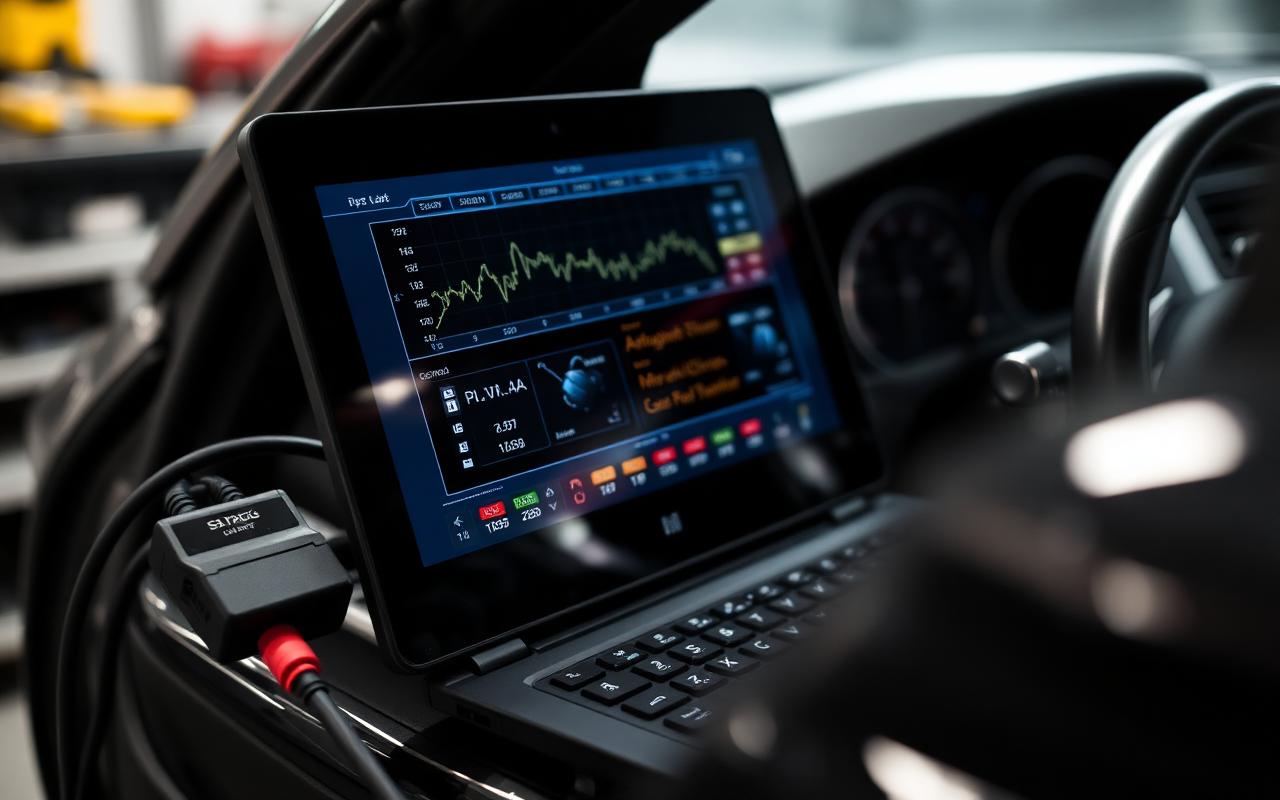
Proper fault diagnosis in Reading, including live data analysis and road testing, for warning lights and intermittent faults on all makes, EV and hybrid included.
360 Garage
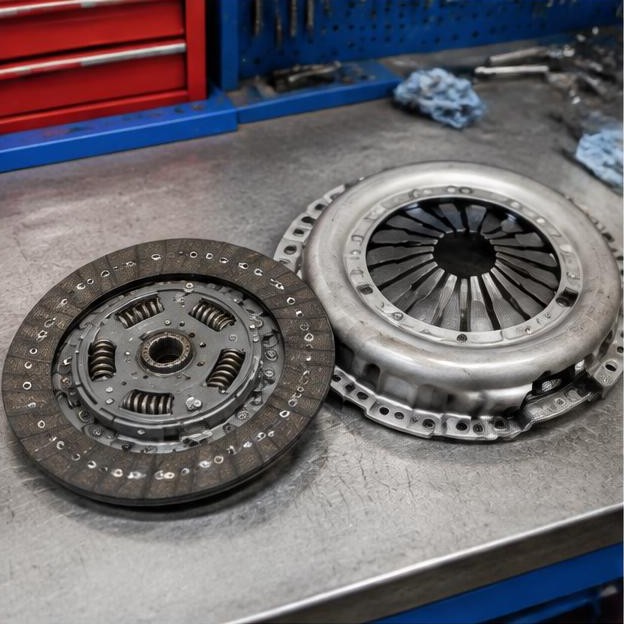
Clutch replacement in Reading covering disc, pressure plate, release bearing and dual-mass flywheel work, with symptoms explained clearly before repair.
All 360 Garage servicesLoverock Road, ReadingAreas we coverContact 360
360 Garage
MOTs, servicing, diagnostics, repairs and performance upgrades.