Loverock Road, Reading
- 360 Garage
- 360 Alloys
Garage, MOT, diagnostics, mechanical repairs, performance and alloy-wheel refurbishment.
119 Unit 4 Loverock Road, Reading, RG30 1DZMonday – Friday: 9:00am – 6:00pm
Weekend: By appointment only
360 Garage
Diagnostics is the process of finding the actual cause of a warning light or fault, rather than simply reading a stored code and guessing at a part. We carry out diagnostic work on all makes and models, including high-voltage EV and hybrid systems, at our Loverock Road workshop.
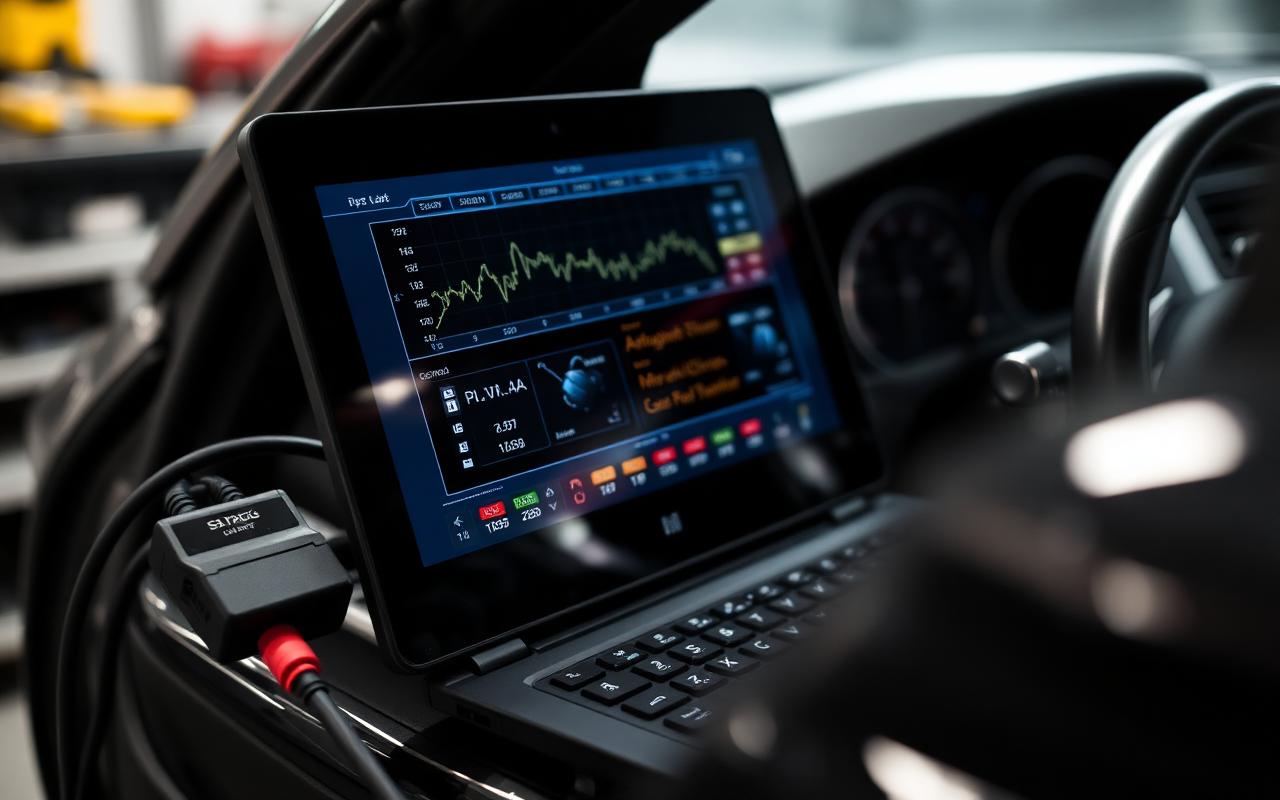
There is an important difference between reading a fault code and actually diagnosing a fault. Any code reader can retrieve a stored trouble code from a vehicle's computer, but a code only points towards an area of the system. It does not confirm which specific component has failed, why it failed, or whether replacing the part the code suggests will actually resolve the underlying problem. Proper diagnosis uses the code as a starting point and then investigates further using live data, physical inspection and testing before any part is condemned.
Live data is real-time information streamed from the vehicle's sensors and control units while the engine is running or the vehicle is being driven. It shows values such as sensor readings, actuator responses and system behaviour as they actually occur, rather than a single stored snapshot. This allows a technician to see whether a component is behaving correctly under real conditions. It is often the only way to distinguish between a genuinely faulty part and one that is being blamed incorrectly because of a fault elsewhere in the system.
Intermittent faults come and go, or only appear under specific conditions such as when the engine is cold, when cornering, or after extended driving. They are among the hardest to diagnose because the vehicle may show no symptoms at all when it arrives at the workshop. In these cases, a road test under conditions similar to those that trigger the fault is often necessary. This is sometimes done alongside data logging equipment that captures information over a longer period, so an intermittent event can be caught and analysed after the fact.
We do not replace parts speculatively. Before any component is recommended for replacement, we aim to confirm through testing that it is actually the cause of the fault. Replacing an unaffected part not only adds unnecessary cost but can also mean the original fault remains unresolved. Where a fault genuinely requires further investigation — such as intermittent electrical faults that need to be caught in the act — we explain this honestly rather than guessing.
How it works
Initial discussion
We ask when the fault occurs, under what conditions, and any warning lights or symptoms noticed, since this information helps focus the diagnostic process from the start.
Code retrieval and initial checks
Stored fault codes are read from the relevant systems and used as a starting point rather than a conclusion.
Live data and physical inspection
The technician examines live data and inspects related wiring and components to build a picture of what is actually happening rather than relying on the code alone.
Road test where needed
If the fault is condition-dependent, a road test is carried out to try to reproduce it under real driving conditions.
Findings explained
We explain what has been found, what is believed to be the cause, and what level of confidence we have, being honest where further investigation is genuinely needed.
Repair recommendation and agreement
A repair is only recommended once the cause is reasonably confirmed, and no work proceeds without discussing the findings and cost implications first.
Capability
A fault code is generated when a control unit detects a value or condition outside its expected range, and it identifies the circuit or system involved — not necessarily the specific failed component. For example, a code relating to a sensor circuit could be caused by the sensor itself, its wiring, or a connector. It could also be caused by a fault in a completely different part of the system that is affecting the sensor's readings indirectly.
Live data lets a technician watch how a system actually behaves while it is operating, comparing real-time values against what would be expected for a healthy system. This is often the only reliable way to confirm whether a component is genuinely faulty or is being incorrectly implicated by a fault elsewhere.
Intermittent faults present a particular challenge because the vehicle may show no fault at the point of inspection. A road test that replicates the conditions under which the fault occurs — cold start, sustained motorway driving, cornering, or specific temperatures — is often necessary. In some cases, data logging equipment is used to capture information over an extended period, so the fault can be analysed once it occurs, even away from the workshop.
EV and hybrid diagnostics involve additional layers, including battery management systems, high-voltage safety interlocks, inverters and electric drive units. These require specific training and safety procedures before any physical access. Diagnostic logic also differs meaningfully from a conventional combustion engine — a fault presenting similarly to a driver may have a completely different underlying cause in an EV.
Not every fault can be confirmed at the first visit, particularly genuinely intermittent faults that do not occur during the time the vehicle is with us. In these cases we will explain what further steps — such as an extended road test or data logging — are realistically needed rather than guessing at a repair. We do not offer a definitive diagnosis without appropriate testing having been carried out.
Why 360
Garage, MOT, diagnostics, mechanical repairs, performance and alloy-wheel refurbishment.
119 Unit 4 Loverock Road, Reading, RG30 1DZMonday – Friday: 9:00am – 6:00pm
Weekend: By appointment only
Questions
Related work
360 Garage
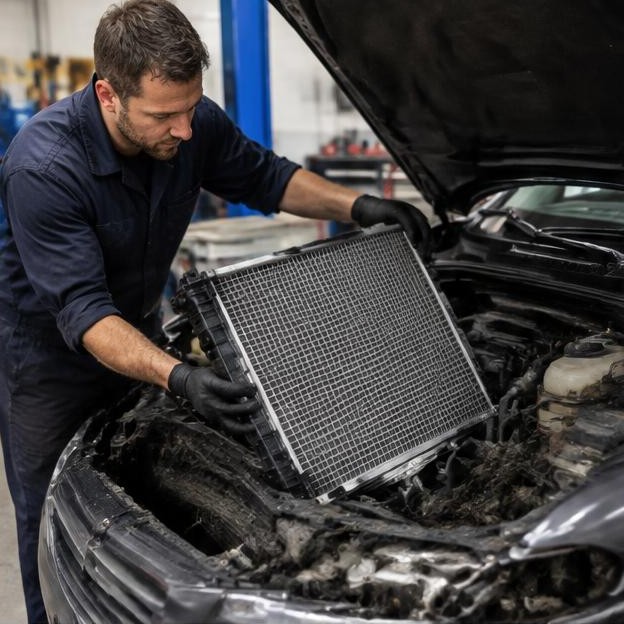
Mechanical repairs in Reading covering engine, cooling, electrical, exhaust and starting faults on all makes and models, with clear findings before any work.
360 Garage
Interim, full and manufacturer-schedule servicing in Reading for all makes and models, with digital service records and warranty preserved.
360 Garage
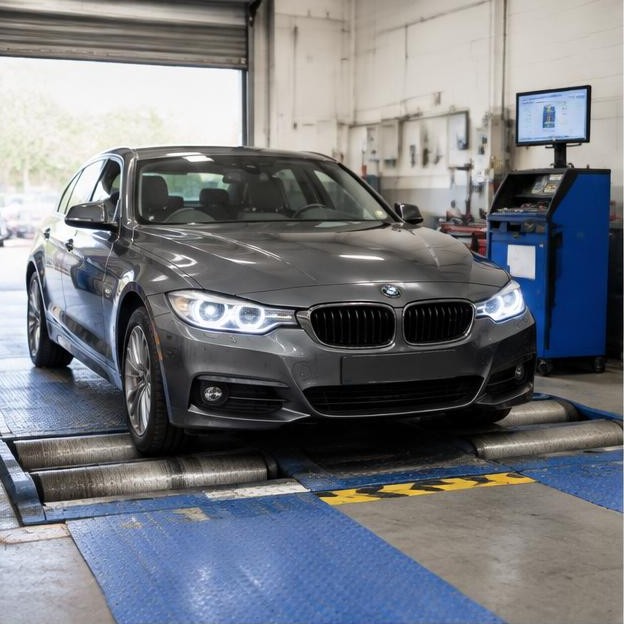
On-site MOT testing in Reading for cars and light vehicles, with pre-MOT inspection available and clear explanation of any advisories or failures.
360 Garage
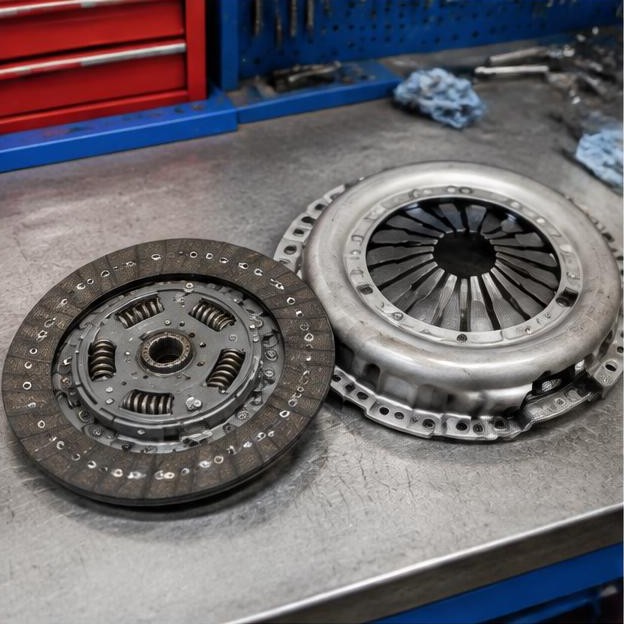
Clutch replacement in Reading covering disc, pressure plate, release bearing and dual-mass flywheel work, with symptoms explained clearly before repair.
All 360 Garage servicesLoverock Road, ReadingAreas we coverContact 360
360 Garage
MOTs, servicing, diagnostics, repairs and performance upgrades.