Loverock Road, Reading
- 360 Garage
- 360 Alloys
Garage, MOT, diagnostics, mechanical repairs, performance and alloy-wheel refurbishment.
119 Unit 4 Loverock Road, Reading, RG30 1DZMonday – Friday: 9:00am – 6:00pm
Weekend: By appointment only
360 Garage
Electric and hybrid vehicles still need routine maintenance, just distributed differently across the car. Our high-voltage qualified technicians carry out servicing safely, covering everything from brakes and suspension to the 12V system, cooling circuits and hybrid drive components.
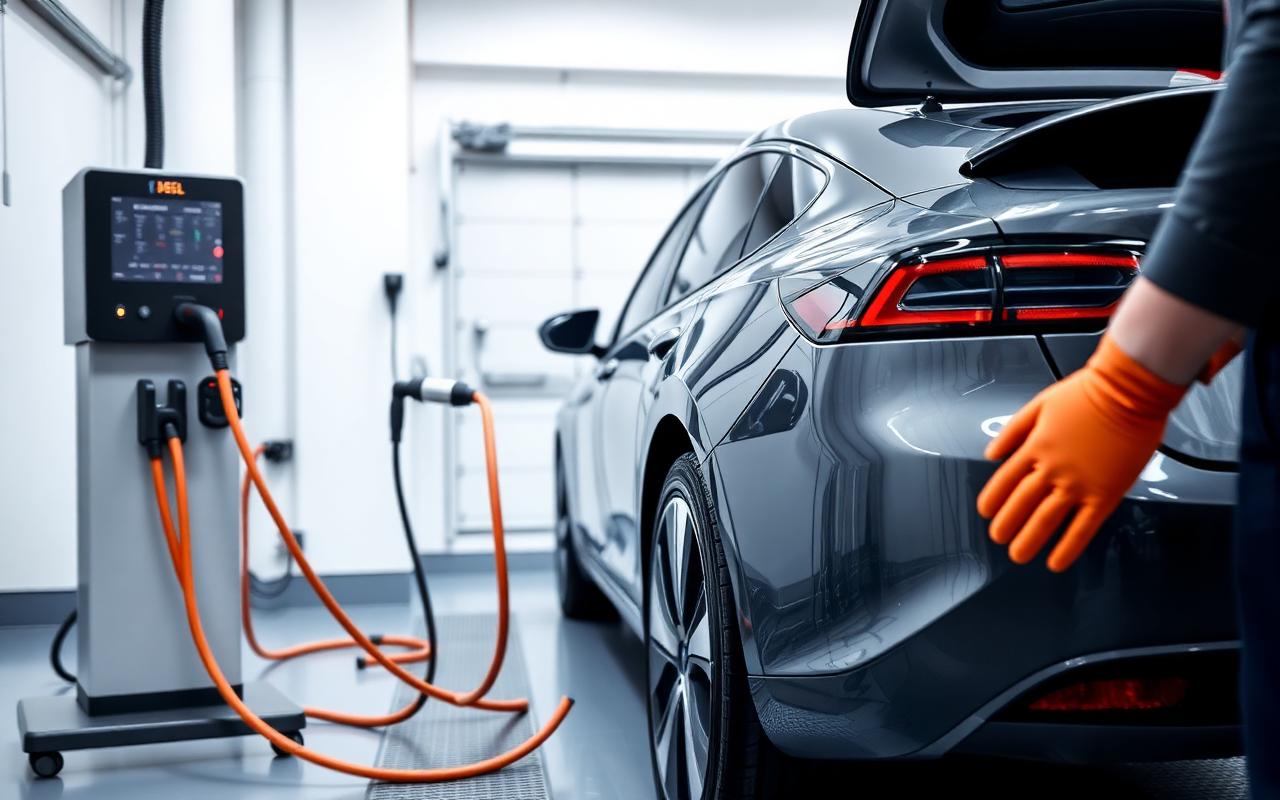
Electric and hybrid vehicles are often assumed to need little or no maintenance because they have fewer moving parts than a conventional combustion engine, but this is only partly true. The high-voltage battery and drive system genuinely do require less routine intervention than an engine and gearbox. But every other system on the car — brakes, suspension, tyres, cooling, the 12V electrical system and the cabin — still wears, still needs inspection, and still benefits from proactive maintenance in exactly the way a conventional car does.
Working on high-voltage systems safely requires specific training and equipment, because the voltages involved in EV and hybrid drive systems are genuinely dangerous if approached without the correct procedure. Our technicians working on high-voltage components hold the appropriate qualifications for isolating and working around these systems safely, following manufacturer-specified lock-out procedures before any work near the battery, inverter or high-voltage wiring is carried out.
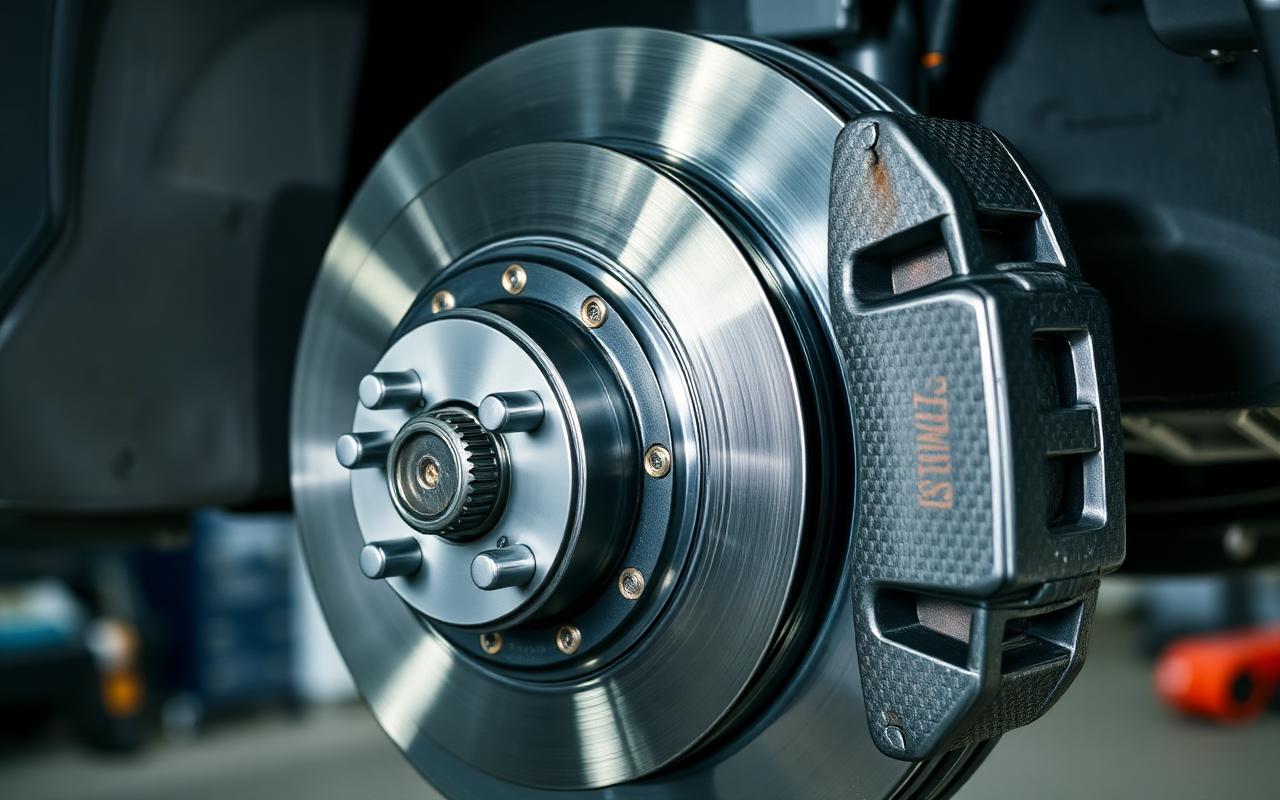
Regenerative braking, which recovers energy under deceleration and feeds it back into the battery, changes the wear pattern on the friction brakes compared with a conventional car. Because the electric motor handles much of the everyday braking, the friction brake pads and discs are used less often. This sounds like an advantage, but it can create its own issue: brakes that are used infrequently are more prone to corrosion and surface rust building up on the discs. This is particularly true on vehicles that sit for periods or are used mostly in stop-start conditions where regenerative braking dominates. We check for this specifically during servicing, since a light film of rust and reduced pad usage are not always obvious from the driver's seat.
The 12V system remains present on every electric and hybrid vehicle, powering everything from the infotainment system to the systems that manage the high-voltage battery itself. A flat or failing 12V battery is one of the most common reasons an EV will not start, even with a fully charged main battery. Checking 12V battery health and charging behaviour is a standard part of our servicing for these vehicles.
How it works
Safety isolation check
Before any work begins near high-voltage components, our qualified technicians follow manufacturer-specified isolation and lock-out procedures to work safely.
12V and high-voltage system diagnostics
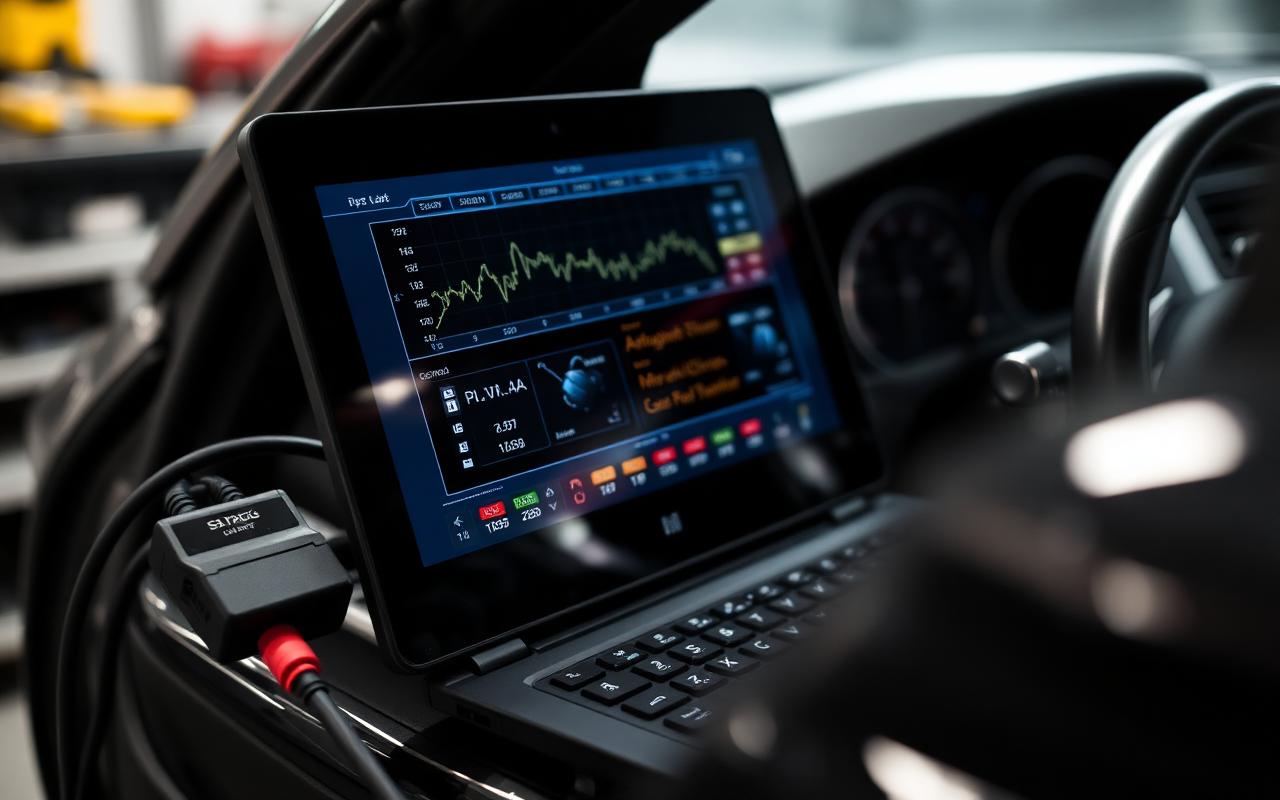
We check 12V battery health and charging behaviour and read fault codes relating to the hybrid or EV drive system to identify any active faults.
Brakes, suspension and tyres
Friction brakes are inspected with attention to corrosion from reduced use, suspension components are checked against the vehicle's increased weight, and tyres are assessed for EV-typical wear patterns.
Cooling system inspection
Coolant condition and circuit integrity are checked across battery, inverter and motor cooling systems where the vehicle is fitted with them.
Routine service items
Standard servicing items such as cabin filters, fluids, lighting and general safety checks are completed alongside the EV-specific checks.
Findings and honest advice
We explain what was found, including clearly identifying where a fault sits within the limits of workshop-level repair versus requiring specialist manufacturer intervention.
Capability
Regenerative braking recovers kinetic energy under deceleration by running the electric motor in reverse as a generator, feeding recovered energy back into the battery. This reduces reliance on the friction brakes for everyday driving, which lowers pad and disc wear rates. However, it increases the risk of surface corrosion building up on discs that are used less often than on a conventional car.
The 12V system on an EV or hybrid still performs the same job it does on a conventional car. It powers lights, infotainment, door locks and the low-voltage control electronics, including the systems that manage and monitor the high-voltage battery itself. A weak 12V battery can prevent the vehicle starting even when the main battery holds a full charge, which is why 12V health is checked as standard.
High-voltage battery packs, inverters and electric motors are safety-critical, complex components, and working safely around them requires specific qualifications and isolation procedures rather than the general mechanical knowledge used on a combustion engine. Our technicians follow manufacturer-specified isolation procedures before any work is carried out near these components.
The limits of repair matter here more than on most systems. Some manufacturers support module-level or cell-level intervention on certain battery designs. But many faults within a high-voltage battery pack or inverter require specialist manufacturer-level diagnosis or full component replacement, and we are honest about where a fault sits beyond what can be safely or economically addressed at workshop level.
Tyres and suspension components work harder on an EV or hybrid because of the substantial weight added by the battery pack. They also work harder because of the instant, high torque delivery available from an electric motor from a standstill. Both of these factors increase wear rates compared with an equivalent combustion vehicle.
High-voltage components on electric and hybrid vehicles carry a genuine risk of serious injury if approached without correct training, equipment and isolation procedure. All work near these components at 360 Garage is carried out or overseen by technicians holding the appropriate high-voltage qualifications, following manufacturer-specified safe isolation before any work begins.
Why 360
Garage, MOT, diagnostics, mechanical repairs, performance and alloy-wheel refurbishment.
119 Unit 4 Loverock Road, Reading, RG30 1DZMonday – Friday: 9:00am – 6:00pm
Weekend: By appointment only
Questions
Related work
360 Garage
Interim, full and manufacturer-schedule servicing in Reading for all makes and models, with digital service records and warranty preserved.
360 Garage
Pads, discs, calipers, fluid and ABS brake work in Reading for all makes and models, with proper measurement rather than guesswork.
360 Garage
Proper fault diagnosis in Reading, including live data analysis and road testing, for warning lights and intermittent faults on all makes, EV and hybrid included.
360 Garage
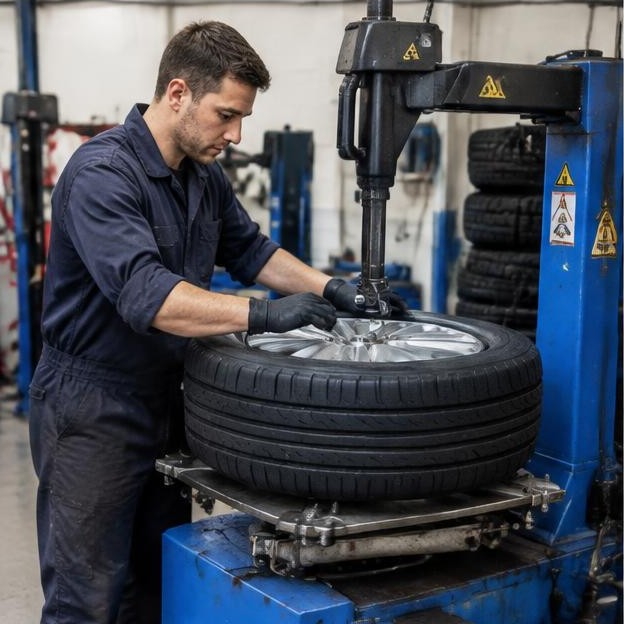
Tyre fitting, puncture repair assessment, balancing and wear diagnosis in Reading, matched correctly to your vehicle.
All 360 Garage servicesLoverock Road, ReadingAreas we coverContact 360
360 Garage
MOTs, servicing, diagnostics, repairs and performance upgrades.