Loverock Road, Reading
- 360 Garage
- 360 Alloys
Garage, MOT, diagnostics, mechanical repairs, performance and alloy-wheel refurbishment.
119 Unit 4 Loverock Road, Reading, RG30 1DZMonday – Friday: 9:00am – 6:00pm
Weekend: By appointment only
360 Garage
A failing clutch can cause slipping, judder or a high biting point, and correctly identifying which component is affected matters before committing to a repair that involves significant labour. We carry out clutch replacement on manual vehicles of all makes at our Loverock Road workshop.
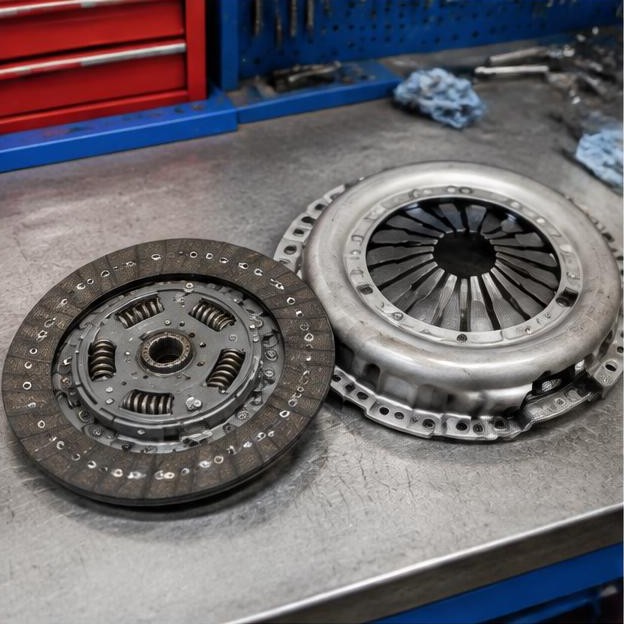
A clutch system allows the engine to be disconnected from the gearbox temporarily, which is what makes it possible to change gear or bring the vehicle to a stop without stalling the engine. The main components are the clutch disc (which grips the flywheel and gearbox input shaft to transmit power) and the pressure plate (which clamps the disc against the flywheel using strong springs). There is also the release bearing (which presses against the pressure plate's fingers when the pedal is depressed to release the clamping force). Finally, there is the hydraulic system (typically a master cylinder at the pedal and a slave cylinder at the gearbox) that transmits pedal movement to the release mechanism.
Many modern vehicles use a dual-mass flywheel rather than a traditional solid flywheel. A dual-mass flywheel has two sections connected by internal springs and dampers, designed to smooth out engine vibrations and reduce transmission noise, particularly in diesel engines and vehicles with more torque. These are more complex and typically more expensive to replace than a solid flywheel. Manufacturers generally specify replacing the dual-mass flywheel alongside the clutch, since a worn flywheel fitted with new clutch components will not deliver full performance or clutch life. In some cases it can cause premature failure of the new clutch.
Clutch slip is one of the most common symptoms. This is when the clutch disc cannot fully grip the flywheel, meaning the engine revs increase without a proportional increase in road speed, particularly noticeable under load such as accelerating hard or climbing a hill. Slip indicates the friction material on the disc has worn down, or in some cases that the disc has been contaminated by an oil or fluid leak from a nearby seal.
Judder is a shaking or vibration felt through the car, typically as the clutch is engaged from a standing start. It can be caused by worn or contaminated clutch components, a worn dual-mass flywheel, or worn engine or gearbox mountings allowing excessive movement during engagement. A high biting point — where the clutch engages very near the top of the pedal's travel — can indicate wear in the clutch disc. It can also indicate a hydraulic system issue such as air in the system or a worn master or slave cylinder. These are investigated separately since the correct repair differs significantly between a worn friction plate and a hydraulic fault.
How it works
Symptom discussion
We ask about slip, judder, pedal feel and when the symptom occurs, since this helps distinguish a friction fault from a hydraulic one before the vehicle is stripped down.
Initial inspection
Where possible, we check hydraulic fluid condition and pedal feel to identify likely causes before committing to gearbox removal.
Gearbox removal
The gearbox is safely supported and removed to expose the clutch assembly, along with a check of associated components while access is available.
Findings and flywheel assessment
We inspect the flywheel and other exposed components and explain whether they should be replaced alongside the clutch based on their actual condition and manufacturer guidance.
Replacement and reassembly
New clutch components (and flywheel, where required) are fitted, and the gearbox is refitted with all linkages and connections correctly reconnected.
Bleeding, adjustment and road test
The hydraulic system is bled where applicable, the biting point is checked, and a road test confirms smooth engagement and correct clutch operation.
Capability
On the great majority of vehicles, the clutch assembly sits between the engine and gearbox and cannot be accessed without removing the gearbox from the vehicle. This is a substantial job involving safely supporting the engine or gearbox, and disconnecting the driveshafts, wiring and selector linkages. On some vehicles it also involves exhaust or subframe components, before the gearbox can be withdrawn far enough to expose the clutch. This is why labour time for clutch replacement is broadly consistent for a given vehicle layout, regardless of whether a solid or dual-mass flywheel is fitted.
A dual-mass flywheel uses two separate masses connected by internal springs and dampers to absorb engine vibration and torsional pulses before they reach the gearbox. This reduces gear rattle and vibration compared with a solid flywheel, particularly on diesel and higher-torque petrol engines. These internal components can wear, developing excess play between the two masses, which is felt as vibration, rattling at idle, or judder during clutch engagement.
Manufacturers generally specify replacing a worn dual-mass flywheel alongside a new clutch. This is because fitting new clutch components onto a worn flywheel means the flywheel's internal wear can transmit vibration into the new clutch assembly. This can shorten its life and prevent it from performing as intended, even though the clutch parts themselves are new.
Clutch slip and a high biting point can look similar from the driver's seat but usually indicate different faults. Slip is typically a friction material or contamination issue with the disc itself. A high biting point without slip can be a hydraulic issue, such as a worn master or slave cylinder losing efficiency. It can also simply be the natural result of a disc wearing thinner over its life and needing more pedal travel to disengage. Distinguishing between these before work begins avoids unnecessary hydraulic component replacement when the cause is purely the friction disc, or vice versa.
A clutch pedal that is stuck to the floor, or a complete loss of clutch function, can leave a vehicle very difficult to control safely, particularly when changing gear or coming to a stop. If this occurs, the vehicle should be assessed before being driven further rather than continuing on the assumption the fault will not worsen.
Why 360
Garage, MOT, diagnostics, mechanical repairs, performance and alloy-wheel refurbishment.
119 Unit 4 Loverock Road, Reading, RG30 1DZMonday – Friday: 9:00am – 6:00pm
Weekend: By appointment only
Questions
Related work
360 Garage
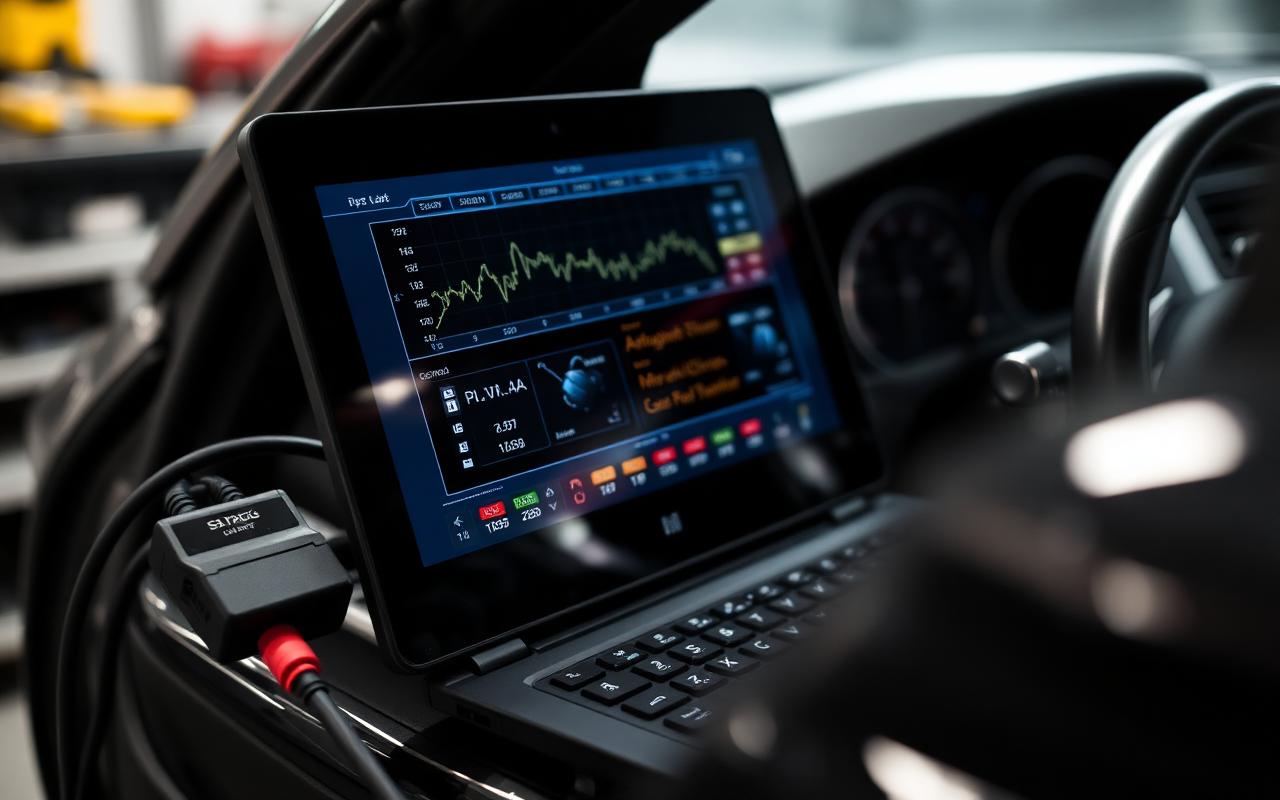
Proper fault diagnosis in Reading, including live data analysis and road testing, for warning lights and intermittent faults on all makes, EV and hybrid included.
360 Garage
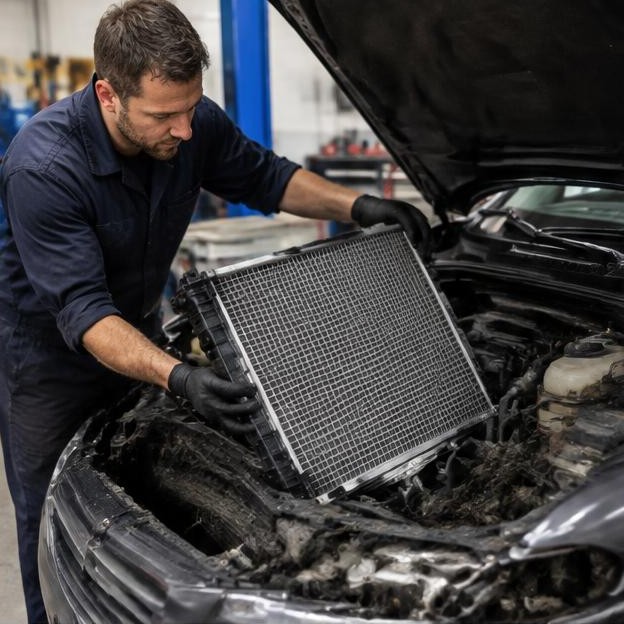
Mechanical repairs in Reading covering engine, cooling, electrical, exhaust and starting faults on all makes and models, with clear findings before any work.
360 Garage
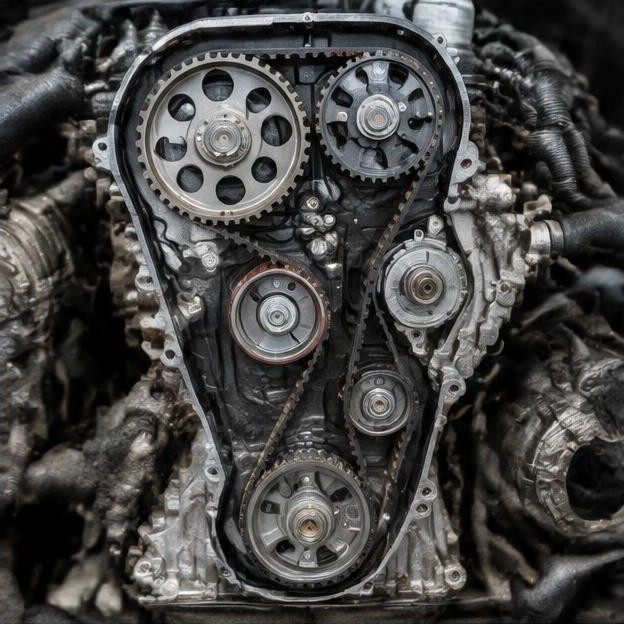
Timing belt and chain replacement in Reading to manufacturer intervals, including tensioners, idlers and water pump, on all makes and models.
360 Garage
Interim, full and manufacturer-schedule servicing in Reading for all makes and models, with digital service records and warranty preserved.
All 360 Garage servicesLoverock Road, ReadingAreas we coverContact 360
360 Garage
MOTs, servicing, diagnostics, repairs and performance upgrades.