Loverock Road, Reading
- 360 Garage
- 360 Alloys
Garage, MOT, diagnostics, mechanical repairs, performance and alloy-wheel refurbishment.
119 Unit 4 Loverock Road, Reading, RG30 1DZMonday – Friday: 9:00am – 6:00pm
Weekend: By appointment only
360 Garage
When a diesel particulate filter is blocked with ash rather than soot, on-car chemical treatments and repeated regeneration attempts often cannot restore it. Our primary approach is off-car machine cleaning, where the filter is removed and cleaned on dedicated equipment, alongside diagnosis of whatever caused the blockage in the first place.
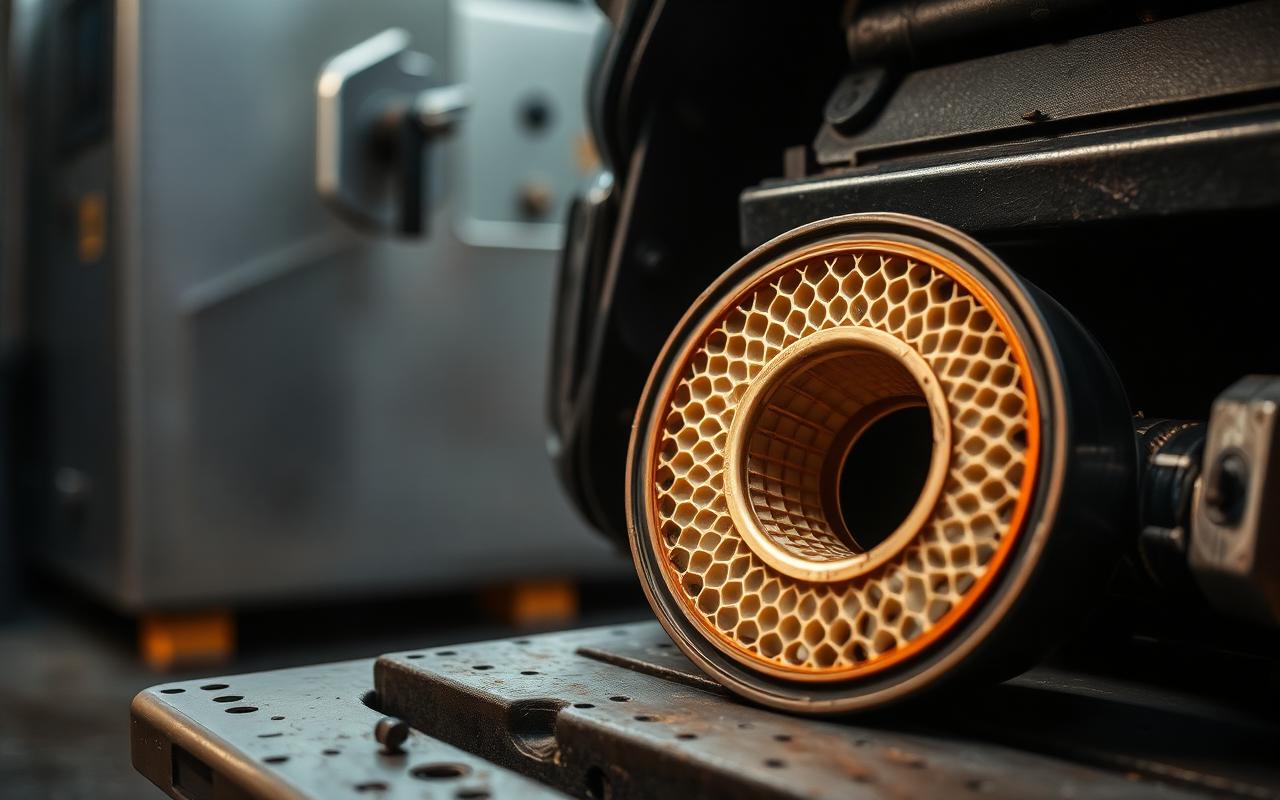
A diesel particulate filter (DPF) exists to trap soot particles from diesel exhaust gas before they reach the atmosphere, using a honeycomb ceramic structure with alternating blocked channels that force exhaust gas through porous walls. Soot builds up on these walls over normal driving and is periodically burned off through a process called regeneration. Understanding the difference between soot and ash explains why some DPFs can be cleared easily and others cannot.
Soot is combustible carbon particulate, and it is removed by heat during regeneration. Ash, by contrast, is the non-combustible mineral residue left behind after oil additives and some fuel components pass through combustion and accumulate in the filter over the vehicle's life. Ash cannot be burned off by regeneration, no matter how many times or how effectively it runs. Over tens of thousands of miles, ash builds up gradually and permanently reduces the usable capacity of the filter for trapping and burning soot. This is why even a vehicle with a perfectly functioning regeneration system will eventually need the filter cleaned or replaced.
Regeneration itself happens in three ways. Passive regeneration occurs automatically at sustained motorway speeds where exhaust temperature is naturally high enough to burn off soot without any special intervention. Active regeneration is triggered by the engine control unit when soot loading reaches a threshold, injecting extra fuel to raise exhaust temperature and burn the soot deliberately. It usually completes during a drive of sufficient length and load. Forced regeneration is a technician-initiated procedure, carried out with diagnostic equipment while the vehicle is stationary. It is used when active regeneration has failed to trigger or complete under normal driving, often because a vehicle is used mostly for short journeys that never reach the required temperature or duration.
When soot loading is high but ash contamination is still relatively low, forced regeneration or, in some cases, an on-car chemical clean can restore adequate filter performance. On-car chemical cleaning uses a fluid introduced into the DPF to help break down and assist the removal of soot without removing the filter from the car. It can be effective for lighter, soot-dominant blockages. However, neither forced regeneration nor on-car chemical cleaning can remove ash, and neither allows a direct physical assessment or measurement of the filter's remaining capacity.
How it works
Diagnostic assessment
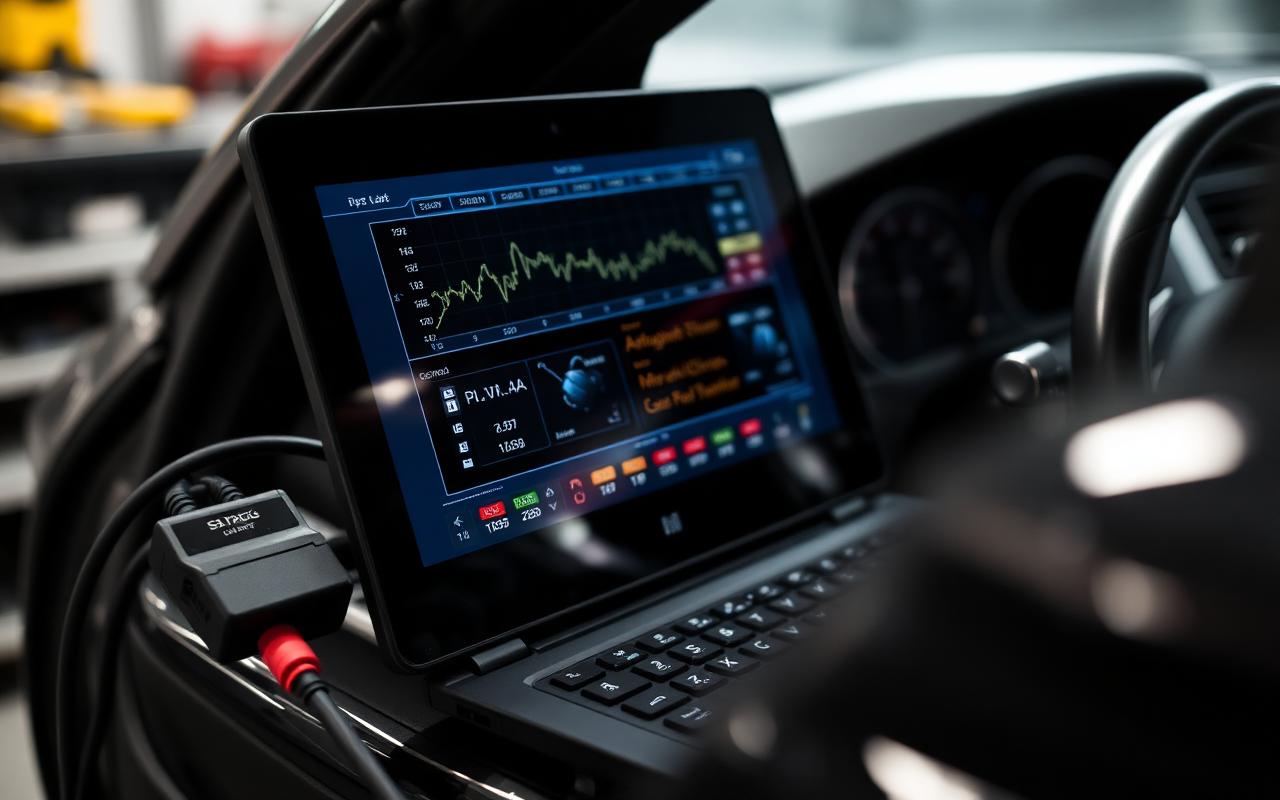
We connect diagnostic equipment to check DPF soot loading data, back-pressure readings and any stored fault codes relating to the filter or its associated sensors.
Underlying cause investigation
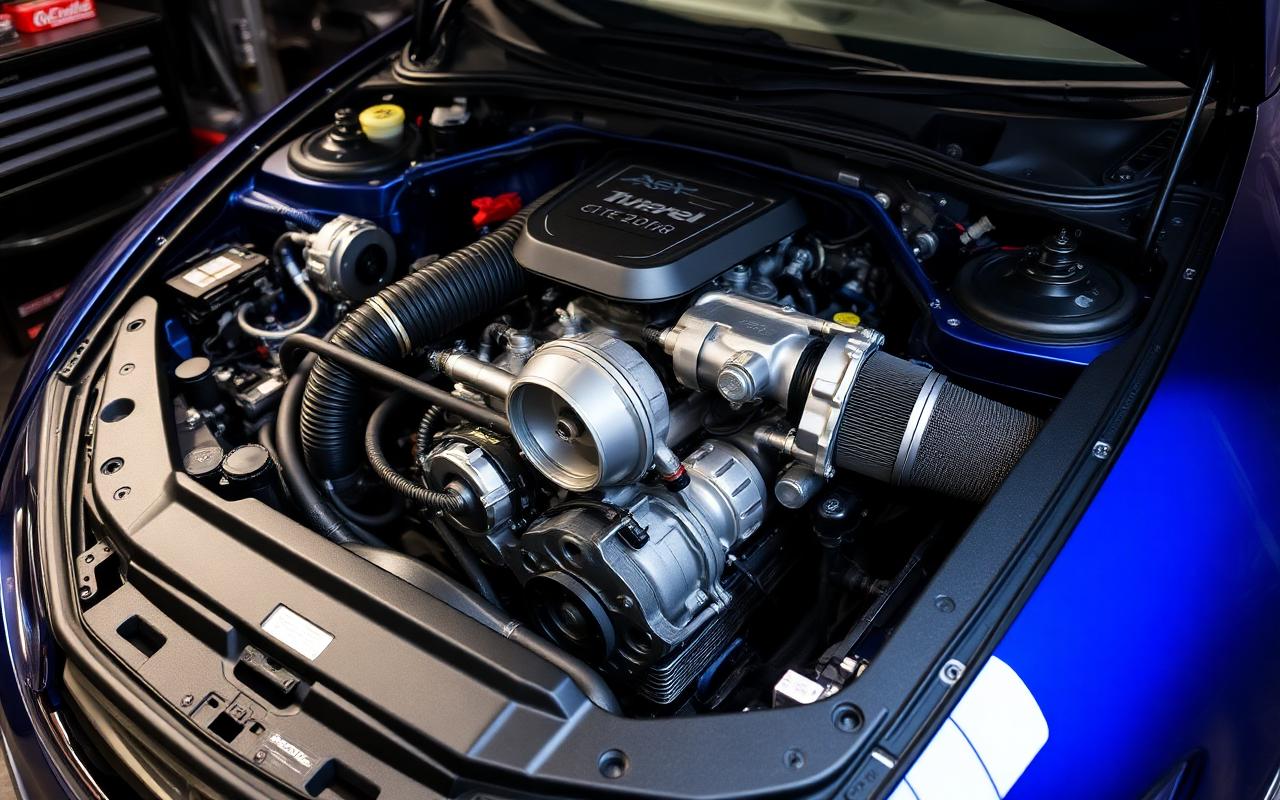
We check for contributing faults such as EGR valve condition, and differential pressure and temperature sensor readings. We also check turbocharger oil consumption and injector performance, since cleaning alone will not fix a recurring blockage caused by one of these.
Removal for off-car cleaning
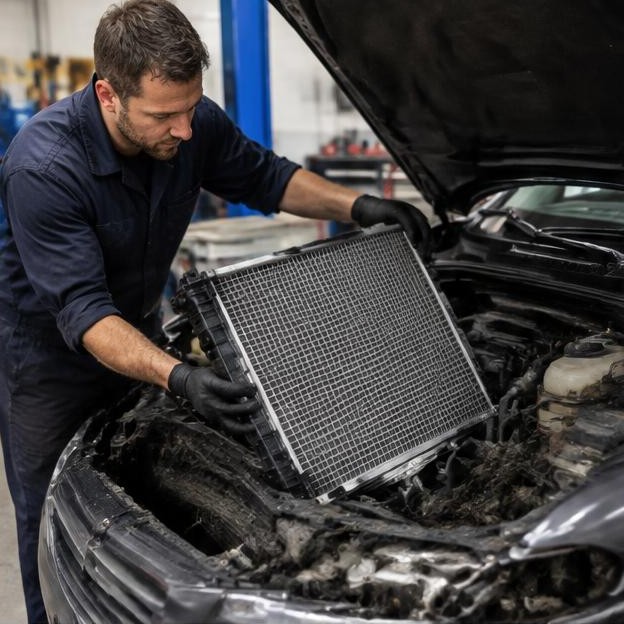
The filter is removed from the vehicle so it can be cleaned on dedicated machinery designed to force cleaning media through the honeycomb structure from both directions.
Machine cleaning and inspection
The filter undergoes machine-based cleaning to remove soot and, critically, ash that on-car methods cannot reach, followed by physical inspection for cracking or substrate damage.
Refitting and sealing
The cleaned filter is refitted with correct gaskets, seals and torque settings to prevent exhaust leaks or sensor fitment issues.
Fault clearing and road test
Fault codes are cleared and the vehicle is road tested to confirm the filter is functioning correctly and that regeneration behaviour has returned to normal.
Findings and driving advice
We explain what was found, what caused the blockage if identified, and offer practical advice on driving patterns that reduce the likelihood of recurrence.
Capability
Forced regeneration uses heat, triggered by diagnostic equipment while the vehicle is stationary, to burn off soot in the same way passive or active regeneration would during normal driving. It is fast and requires no filter removal, but it only addresses soot and does nothing to remove ash. It also cannot be used to assess the physical condition of the filter, since it never leaves the car.
On-car chemical cleaning introduces a fluid into the DPF to help break down and assist removal of soot deposits without removing the filter. It can be effective for lighter, soot-dominant blockages and is less invasive than removal, but like forced regeneration it cannot remove ash and does not allow direct inspection of the substrate.
Off-car machine cleaning is the most thorough option because the filter is physically removed. This allows back-pressure and condition to be properly assessed, cleaning media to be forced through the structure from both directions to reach ash as well as soot, and the substrate to be inspected for cracking or damage before it goes back on the car. It takes longer and involves removal and refitting, but it is the only method that meaningfully addresses ash contamination.
Choosing between these three approaches depends on how the filter is loaded. Soot-dominant blockages with a filter still in good physical condition may respond well to forced regeneration or on-car cleaning. Filters with significant mileage, high ash content, or a history of failed regeneration attempts generally need off-car machine cleaning to achieve a genuine, lasting result.
None of these methods can repair a cracked or structurally failed filter, and none of them address the underlying fault that caused the blockage in the first place. That is why our process always includes checking for contributing faults alongside whichever cleaning method is appropriate.
Not every DPF can be cleaned back to usable condition. Where the substrate is cracked, has failed structurally, or ash saturation is beyond a level that cleaning can meaningfully reduce, replacement is the only honest option. We will explain this rather than clean a filter that will not deliver a lasting result. We do not carry out or offer illegal DPF removal or deletion under any circumstances, as this makes a vehicle illegal to drive on UK roads and will cause an MOT failure.
Why 360
Garage, MOT, diagnostics, mechanical repairs, performance and alloy-wheel refurbishment.
119 Unit 4 Loverock Road, Reading, RG30 1DZMonday – Friday: 9:00am – 6:00pm
Weekend: By appointment only
Questions
Related work
360 Garage
Proper fault diagnosis in Reading, including live data analysis and road testing, for warning lights and intermittent faults on all makes, EV and hybrid included.
360 Garage
Interim, full and manufacturer-schedule servicing in Reading for all makes and models, with digital service records and warranty preserved.
360 Garage
Mechanical repairs in Reading covering engine, cooling, electrical, exhaust and starting faults on all makes and models, with clear findings before any work.
360 Garage
In-house ECU remapping and performance upgrades in Reading. Suitability assessed first, no promised power figures, dyno via partner facilities.
All 360 Garage servicesLoverock Road, ReadingAreas we coverContact 360
360 Garage
MOTs, servicing, diagnostics, repairs and performance upgrades.