Loverock Road, Reading
- 360 Garage
- 360 Alloys
Garage, MOT, diagnostics, mechanical repairs, performance and alloy-wheel refurbishment.
119 Unit 4 Loverock Road, Reading, RG30 1DZMonday – Friday: 9:00am – 6:00pm
Weekend: By appointment only
360 Garage
Suspension and steering faults often show up as knocks, uneven tyre wear or a car that feels less stable to drive, and correctly identifying the affected component is essential before any repair. We work on all makes and models at our Loverock Road workshop.
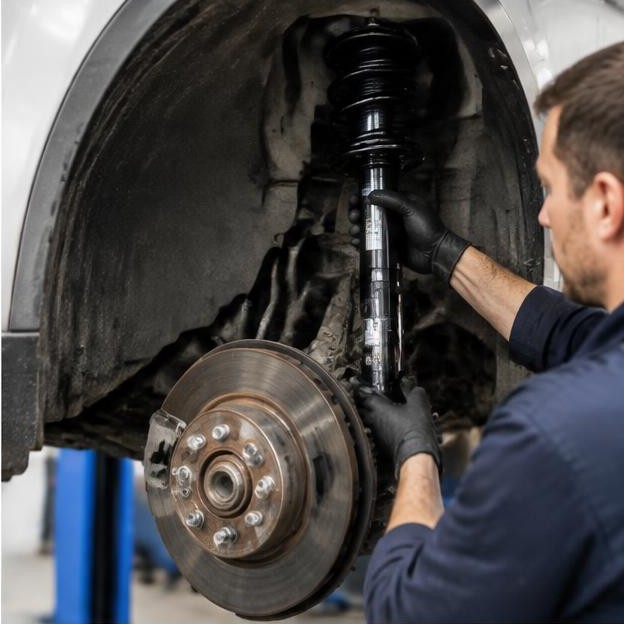
The suspension and steering system is made up of several components working together to control how a vehicle rides, handles and stays in contact with the road. Dampers (often called shock absorbers) control the rate at which the suspension moves, and springs support the vehicle's weight and absorb bumps. Bushes are rubber or polyurethane mountings that allow controlled movement at joints while reducing noise and vibration. Control arms position the wheel and connect it to the vehicle's body, and ball joints allow the suspension to pivot as the wheel steers and moves up and down. Wheel bearings allow the wheel to rotate smoothly while supporting the vehicle's weight.
Each of these components can wear or fail independently, and the symptoms often overlap, which is why proper inspection matters rather than replacing parts based on a guess. A worn damper typically causes excessive body movement, a bouncing sensation after bumps, or a car that feels less settled at speed. Worn bushes commonly cause knocking or clunking noises, particularly over small bumps or during acceleration and braking, as the movement they are meant to control becomes looser than intended. A failing ball joint can cause a knocking noise and, in advanced cases, affects steering precision and is treated as a safety-critical concern since a joint separating entirely would be dangerous.
Wheel bearings that are worn typically cause a humming or roaring noise that changes with road speed and sometimes with steering input. This can also be felt as play when the wheel is checked by hand. Steering components include the steering rack, track rod ends and, on some vehicles, power steering pumps or electric power steering motors. These can cause looseness, knocking or heavier or lighter than normal steering effort when faulty.
Uneven tyre wear is frequently a symptom of a suspension or steering issue rather than simply a tyre problem. Wear concentrated on one edge, for example, can indicate incorrect wheel alignment, a worn suspension component, or both. A car that wanders or feels unstable in a straight line can result from worn dampers, incorrect tyre pressures, worn steering components, or misalignment. We investigate methodically rather than assuming a single cause.
How it works
Describe the symptom
We ask about noise, when it occurs, and any change in how the car feels to drive, which focuses the inspection before it begins.
Physical inspection
The vehicle is raised and suspension and steering components are physically checked for play, wear, corrosion and damage.
Road test
Where useful, a road test helps confirm noises or handling characteristics reported by the customer and narrow down the affected component.
Findings explained
We explain which component is affected, why, and whether it is safety-critical or something that can be scheduled.
Repair carried out
Agreed work is completed using components suited to the vehicle, with attention to correct torque and fitment given the safety-critical nature of these parts.
Alignment check where relevant
Where a repair could affect wheel geometry, we recommend and can carry out an alignment check to confirm the vehicle tracks correctly afterwards.
Capability
Suspension components are designed to hold each wheel at a specific position and angle relative to the road and the rest of the vehicle. As bushes, arms and ball joints wear, the wheel can move slightly outside its intended position under load. This changes the effective alignment even if no alignment adjustment has actually been made — this is why alignment and suspension condition are closely linked rather than separate issues.
Uneven tyre wear patterns can indicate specific problems. Wear concentrated on one edge of the tyre often points to incorrect camber (the inward or outward tilt of the wheel) or a worn suspension component affecting that angle. Wear across the whole tread but faster than expected can relate to worn dampers failing to keep the tyre in consistent contact with the road.
A vehicle that wanders or feels unstable in a straight line is not always a steering fault. Worn dampers reduce the suspension's ability to settle after a disturbance, which can feel similar to a steering issue from the driver's seat. Proper diagnosis therefore considers both systems together rather than assuming the cause based on the symptom description alone.
After replacing suspension components that determine wheel position — such as control arms, certain bushes or steering components — a wheel alignment check is recommended. This is because the geometry can change even with correctly fitted new parts. Leaving it unchecked risks uneven tyre wear developing again despite a correctly completed repair.
Ball joints, control arms, steering rack components and wheel bearings are all safety-critical, since failure can affect the driver's ability to control the vehicle. Where inspection shows genuine wear or damage to these components, we recommend prompt repair rather than treating it as something to defer, and we will always explain clearly where this applies.
Why 360
Garage, MOT, diagnostics, mechanical repairs, performance and alloy-wheel refurbishment.
119 Unit 4 Loverock Road, Reading, RG30 1DZMonday – Friday: 9:00am – 6:00pm
Weekend: By appointment only
Questions
Related work
360 Garage
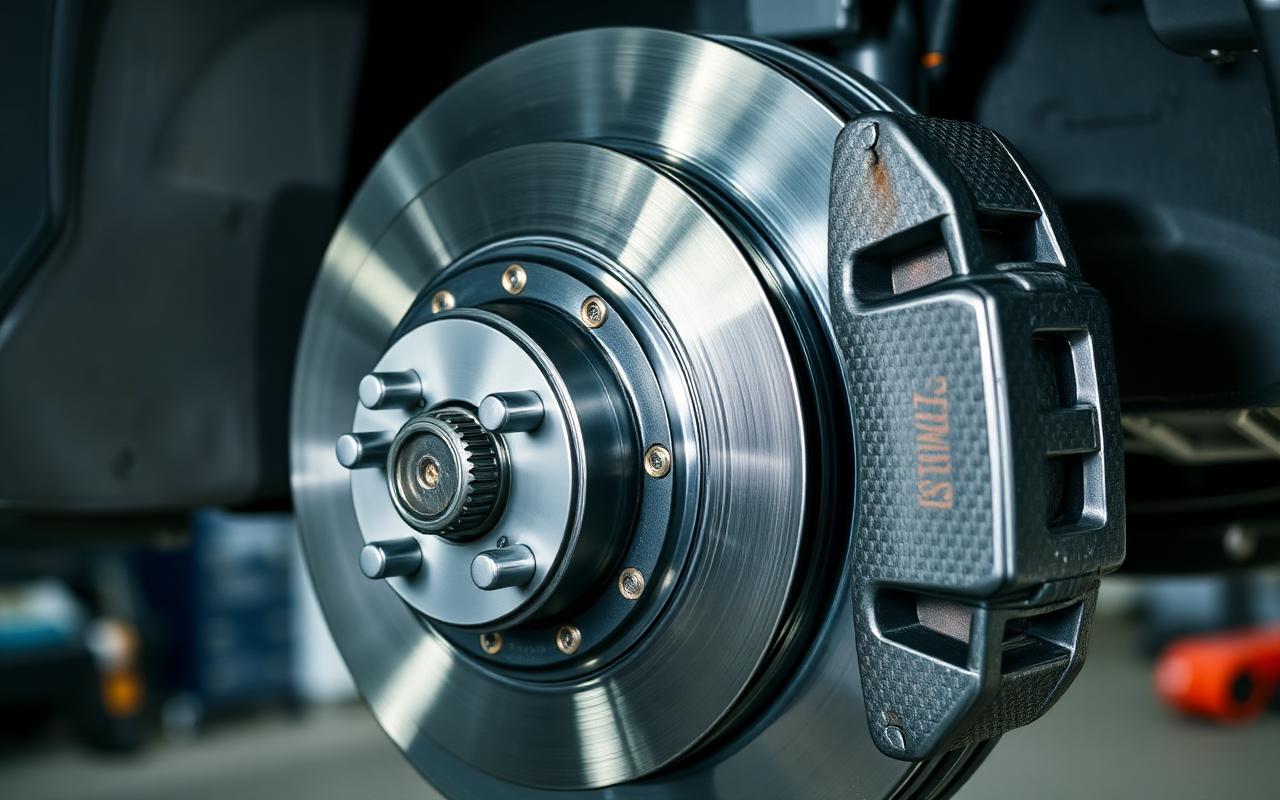
Pads, discs, calipers, fluid and ABS brake work in Reading for all makes and models, with proper measurement rather than guesswork.
360 Garage
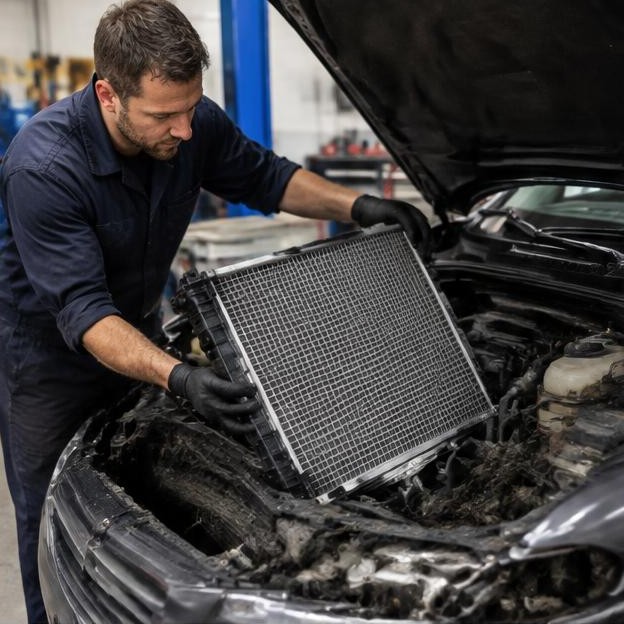
Mechanical repairs in Reading covering engine, cooling, electrical, exhaust and starting faults on all makes and models, with clear findings before any work.
360 Garage
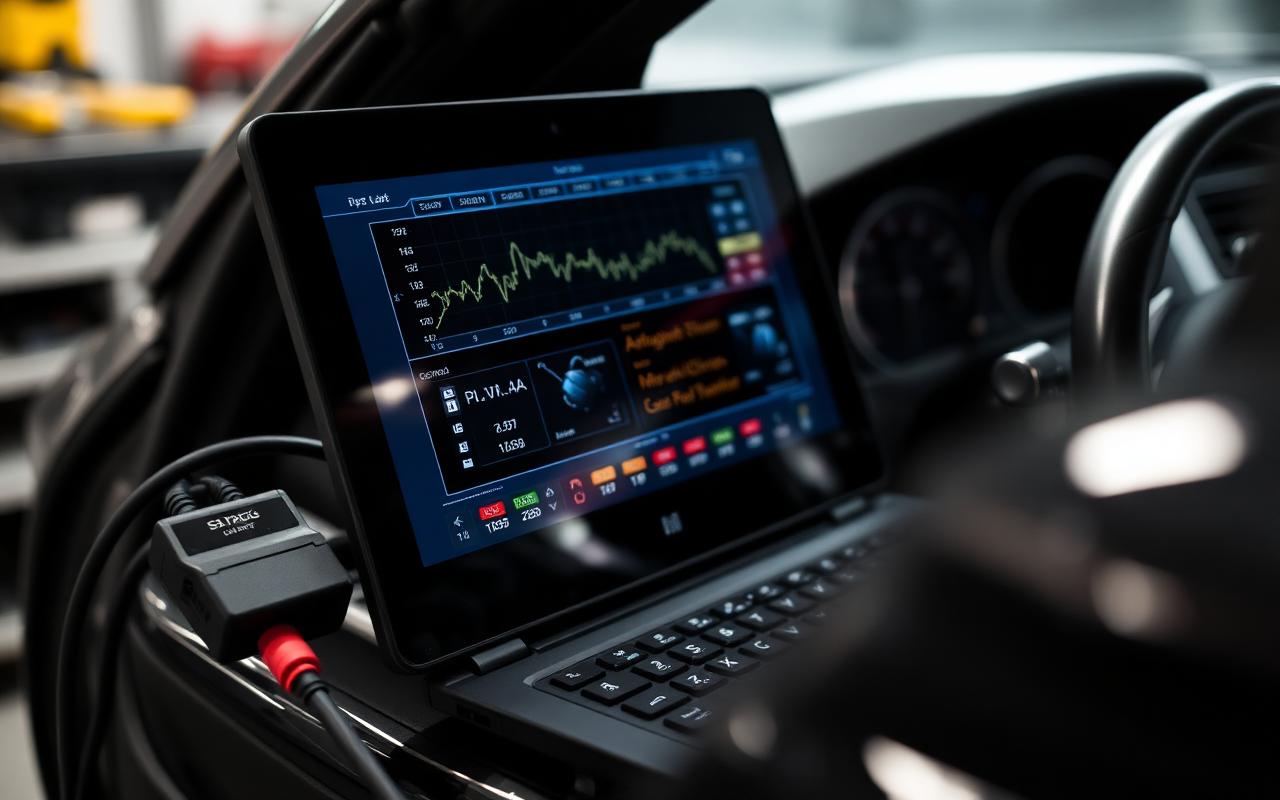
Proper fault diagnosis in Reading, including live data analysis and road testing, for warning lights and intermittent faults on all makes, EV and hybrid included.
360 Garage
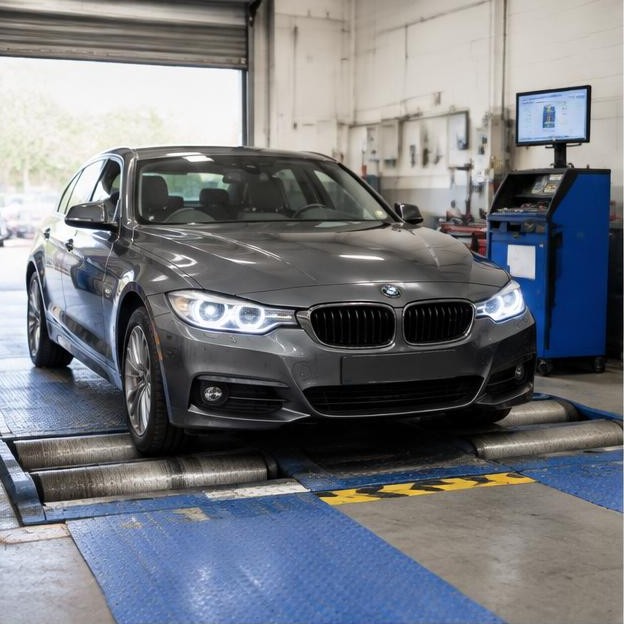
On-site MOT testing in Reading for cars and light vehicles, with pre-MOT inspection available and clear explanation of any advisories or failures.
All 360 Garage servicesLoverock Road, ReadingAreas we coverContact 360
360 Garage
MOTs, servicing, diagnostics, repairs and performance upgrades.